Aarohi Doshi-Counseling through Creative Arts
Context
Accessing mental health support often involved high friction. Users faced stigma, uncertainty, cost concerns, and difficulty trusting unfamiliar providers. Traditional therapy models frequently lacked clear, low-risk entry points, making it difficult for individuals to take the first step. I started this service to address these gaps by designing a mental health offering that reduced barriers to entry while operating within ethical, privacy, and sustainability constraints.
My Goal
My goal was to design a mental health service that integrated creative arts with talk therapy to improve engagement, reduce barriers to access, and create a more approachable and sustainable pathway into care.
My Response
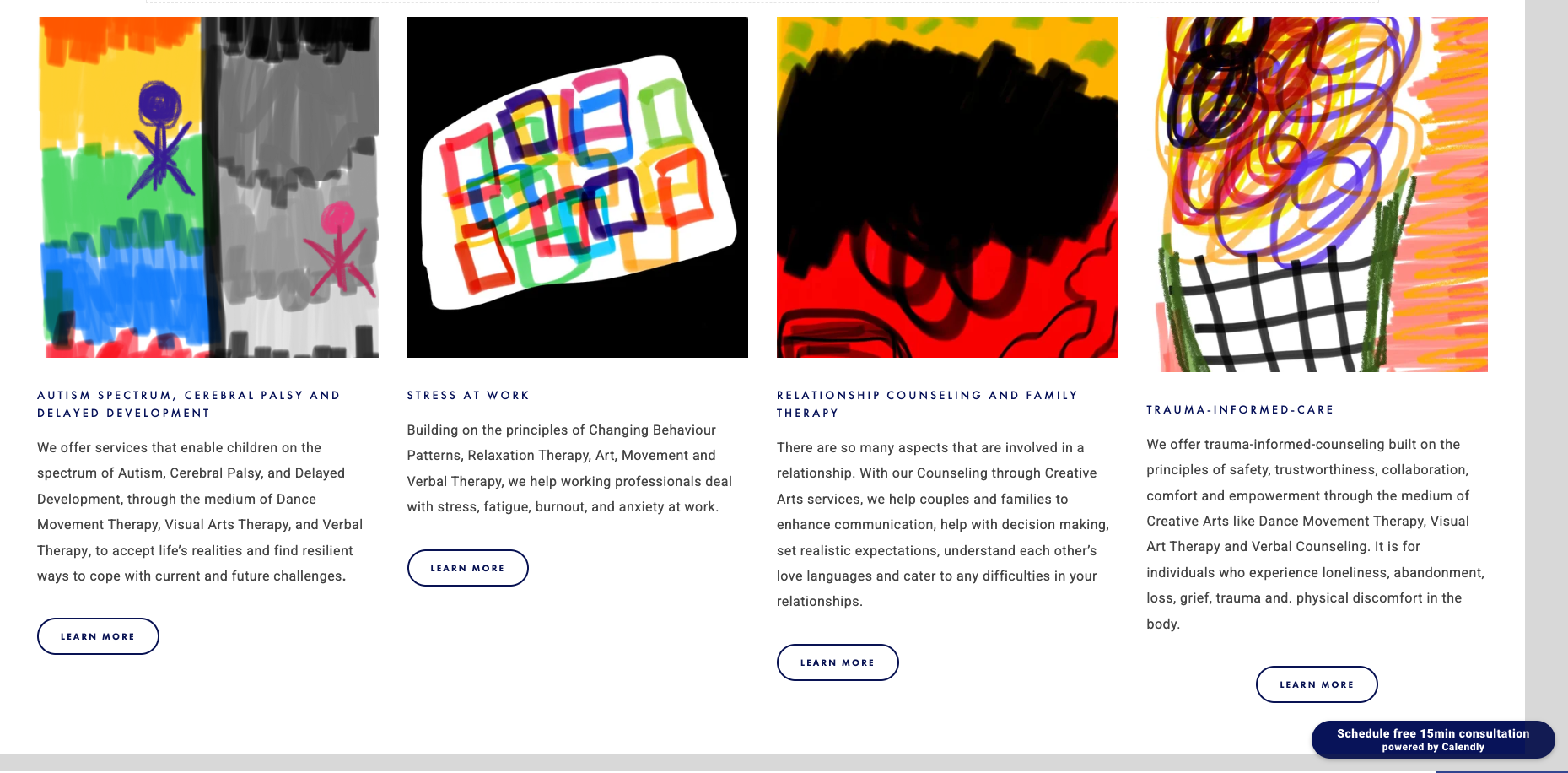
I designed a packaged, service-based model that offered one-on-one sessions, group formats, and workshops, allowing individuals to engage at different levels of readiness. The packages were intentionally structured to feel low-commitment yet meaningful, helping users experience value early while supporting sustained engagement. A free consultation served as a welcoming entry point that reduced friction and built trust before ongoing participation.
Project Details
Working Team: Founder (Service & Venture Design), Social Media Manager, Blog Writer, Digital Marketer, Website Developer
Stakeholders: Clients, Community Partners, Referral Networks, Workshop Participants
Timeline: 2015-2022 (venture setup and iteration)
Scope: Service architecture, venture setup, pricing and packaging, growth strategy, partnerships, website development, content strategy, launch and ongoing operations
My Role
Founder | Service & Venture Designer
I led the end-to-end setup and operation of the service, combining service design, venture design, and applied UX methods to build a sustainable, low-friction mental health offering.
Service & Venture Design
Focus: Service architecture, venture setup, accessibility, sustainability
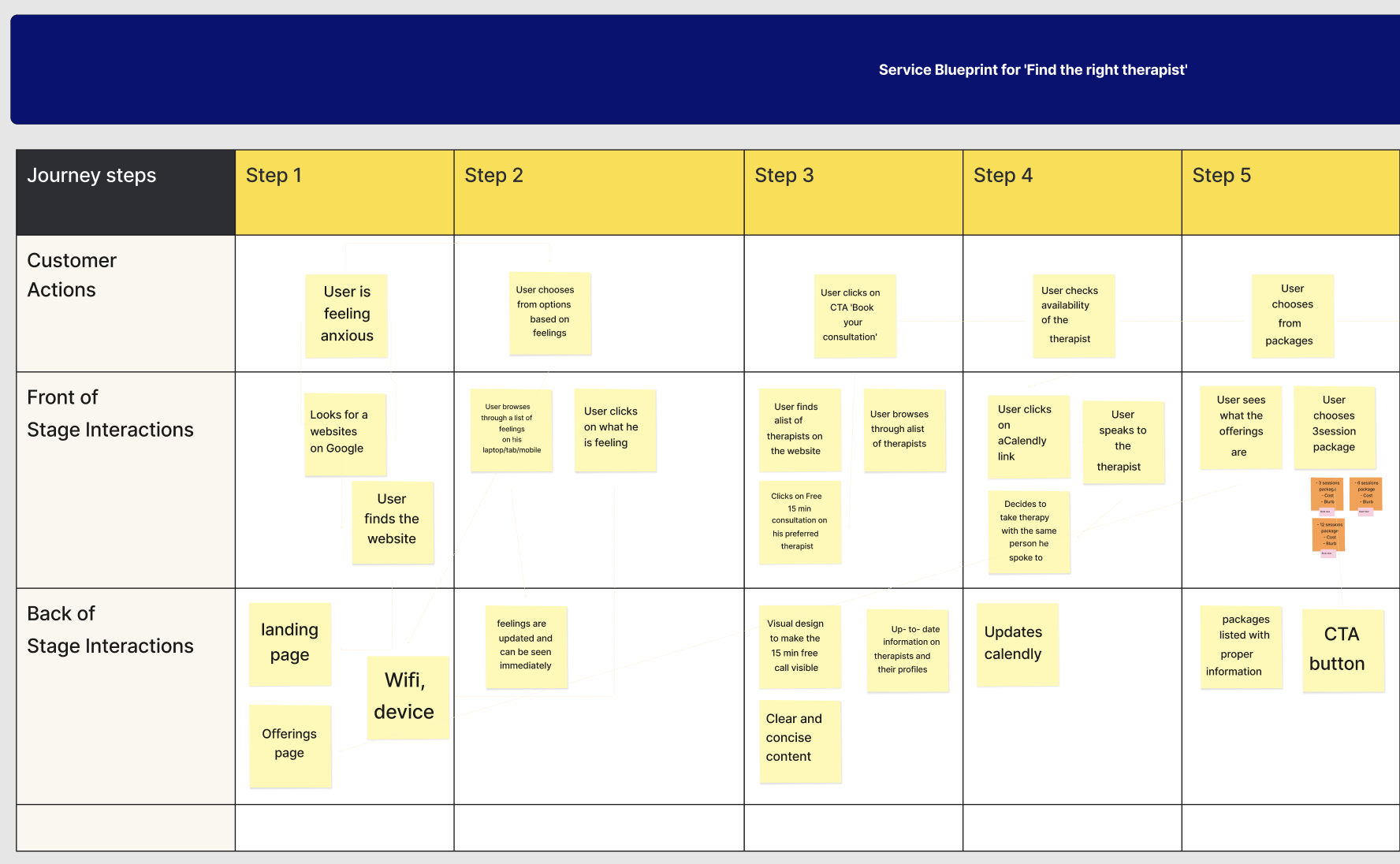
Methods: Service blueprinting, journey mapping, pricing and packaging design, behavioral framing, iterative testing
Tools: Miro, Google Sheets, Notion
User & Market Research
Focus: Understanding barriers to entry, trust, and engagement
Methods: Empathy interviews, gap analysis, thematic synthesis, journey mapping
Tools: Zoom, Miro
Growth & Marketing Strategy
Focus: Awareness, acquisition, and retention through relationship-driven channels
Methods: Content strategy, referral strategy, workshop design, community partnerships, digital marketing coordination
Tools: Google Analytics, Instagram, SEO tools, Ads platforms (oversight)
UX & Digital Experience
Focus: Trust-building digital presence and onboarding
Methods: Information architecture, wireframing, content design, usability testing
Tools: Figma, WordPress, Adobe Creative Suite
Operations & Team Leadership
Focus: Execution and sustainability
Responsibilities:
Hired and managed a social media manager, blog writer, digital marketer, and website developer.
Set priorities, defined scope, and reviewed outputs across marketing and development.
Service and Venture Design in Practice
-
Recruiting through trust, not ads
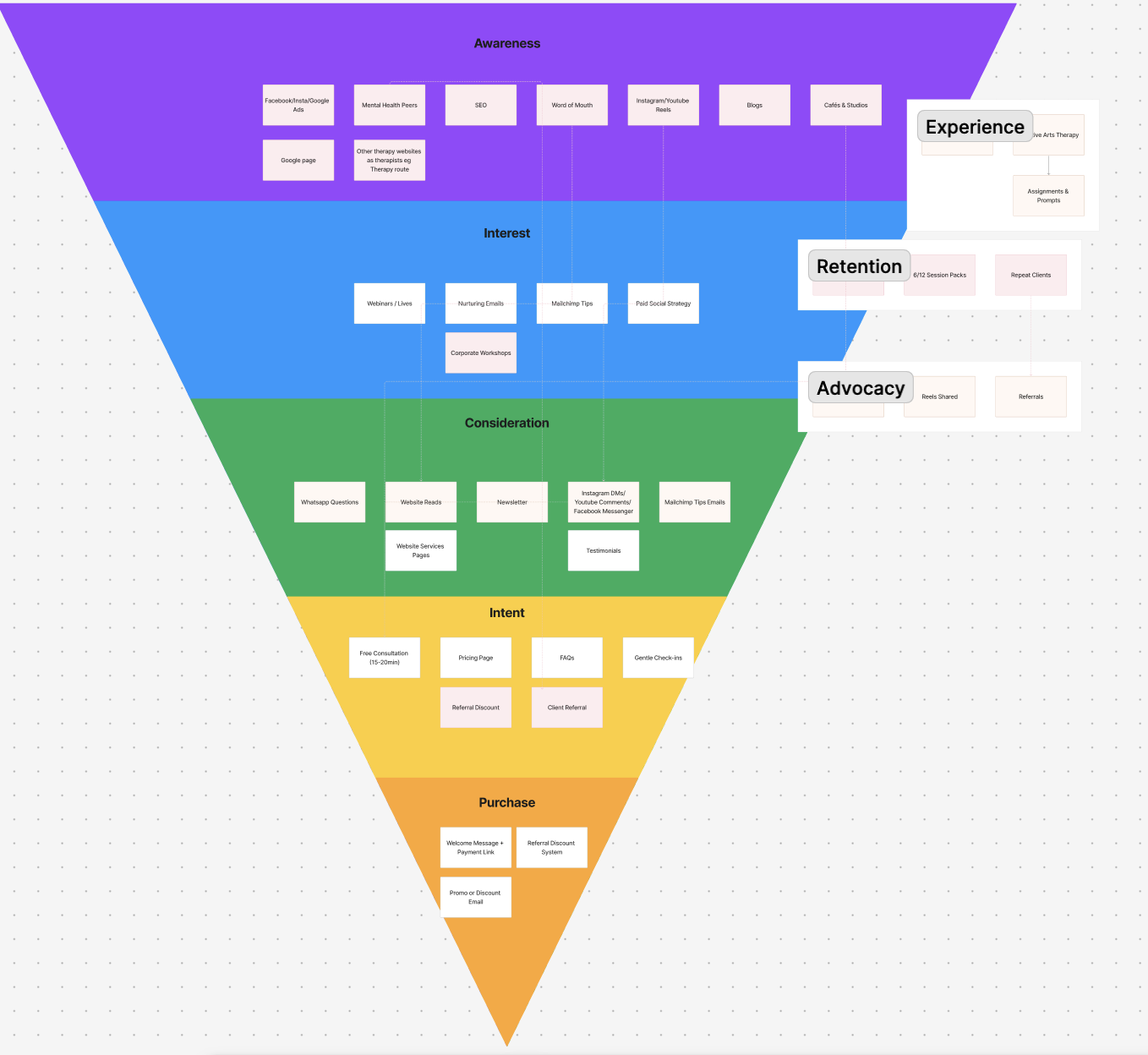
Early recruitment relied primarily on referrals, community connections, and trusted intermediaries rather than paid advertising. In a high-trust service context, word of mouth and personal recommendations proved far more effective for building credibility, reducing hesitation, and encouraging initial engagement.
-
Free consultations as a design lever
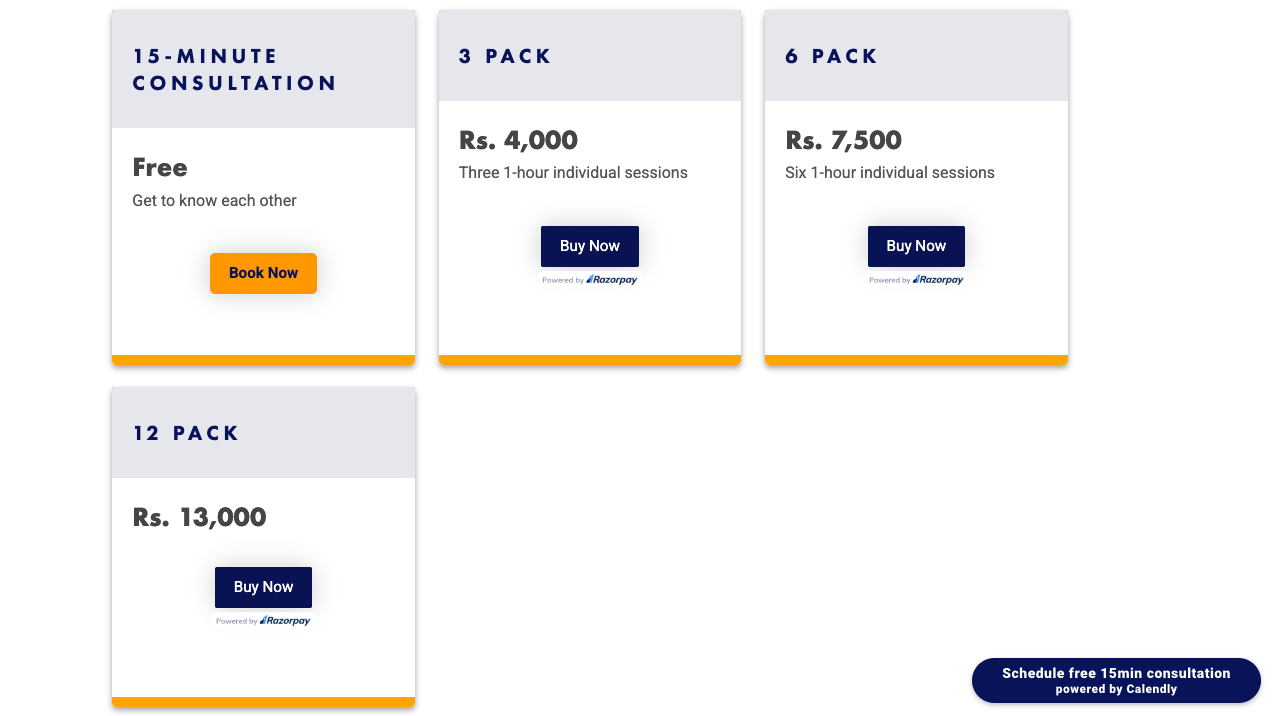
A free 15-minute consultation was intentionally designed as a low-risk entry point, allowing individuals to assess fit, ask questions, and clarify expectations before committing. In a high-trust service context, this reduced hesitation, supported informed decision-making, and helped establish early rapport without pressuring users into ongoing engagement.
-
Low-commitment packages increased follow-through
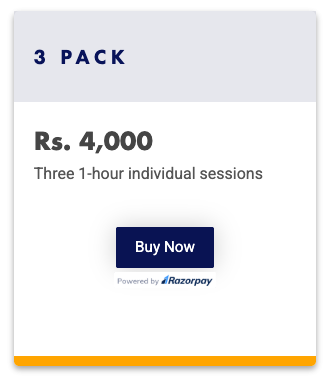
Long-term commitments (e.g., 12–15 sessions upfront) created hesitation and delayed decision-making for many users. Introducing shorter, clearly scoped packages such as three-session bundles made the service feel more approachable while still delivering meaningful value. Most users opted for these smaller packages, which improved follow-through and allowed engagement to grow organically over time.
-
Designing for capacity and sustainability
As a solo founder operating in a high-touch service model, sustainability became a core design constraint. Session structure, scheduling, and package offerings were intentionally designed to balance accessibility with realistic capacity, protecting service quality while preventing burnout and overextension over time.
Challenges & tradeoffs
Building trust-based relationships required time and persistence, particularly when initial outreach went unanswered. I followed up thoughtfully, adapted my approach based on context, and prioritized long-term rapport over immediate conversion, resulting in stronger and more durable relationships.
While Google Ads helped extend reach and bring in new users, referrals and word-of-mouth consistently drove the most engaged and sustained participation. Balancing paid discovery with trust-based growth became an intentional tradeoff in the acquisition strategy.
Sustaining relationships required consistency, clear boundaries, and reliability rather than constant outreach, shifting the focus from acquisition to stewardship and long-term engagement.
Choosing not to scale aggressively helped protect service quality and trust, but required intentional tradeoffs around growth pace and personal capacity. Over time, the service expanded organically to international clients, requiring careful coordination across time zones and priorities.
Outcomes
Over time, the service developed a trust-led growth model characterized by repeat engagement, referrals, and sustained participation. Between 2015 and 2022, I delivered 6,000+ hours of therapy to 100+ clients, with a significant portion returning for continued care or engaging through referrals. In addition to one-on-one services, I facilitated 50+ workshops for community, educational, and organizational audiences, extending access through need-based and group formats.
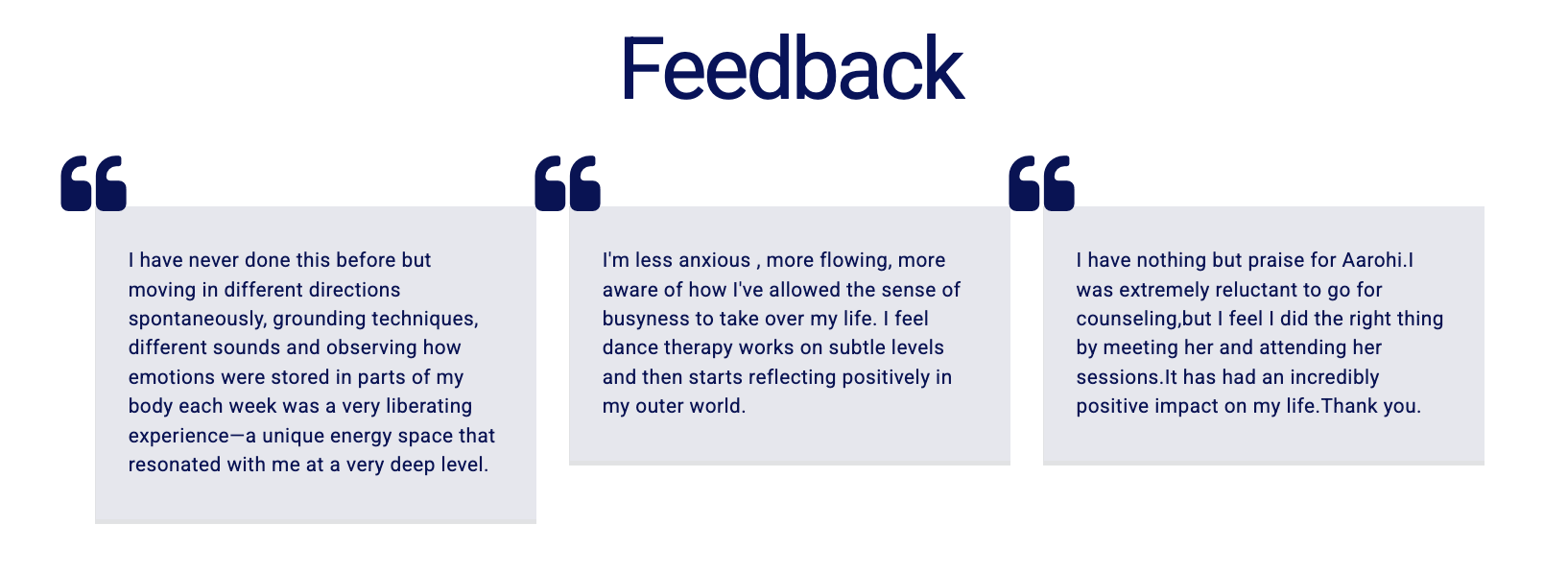
Client feedback consistently reflected reduced hesitation, increased comfort with therapy, and meaningful personal impact. The service grew through a combination of word-of-mouth, targeted marketing, and presence on relevant platforms, supporting sustained engagement with clients across countries, time zones, and evolving life stages.