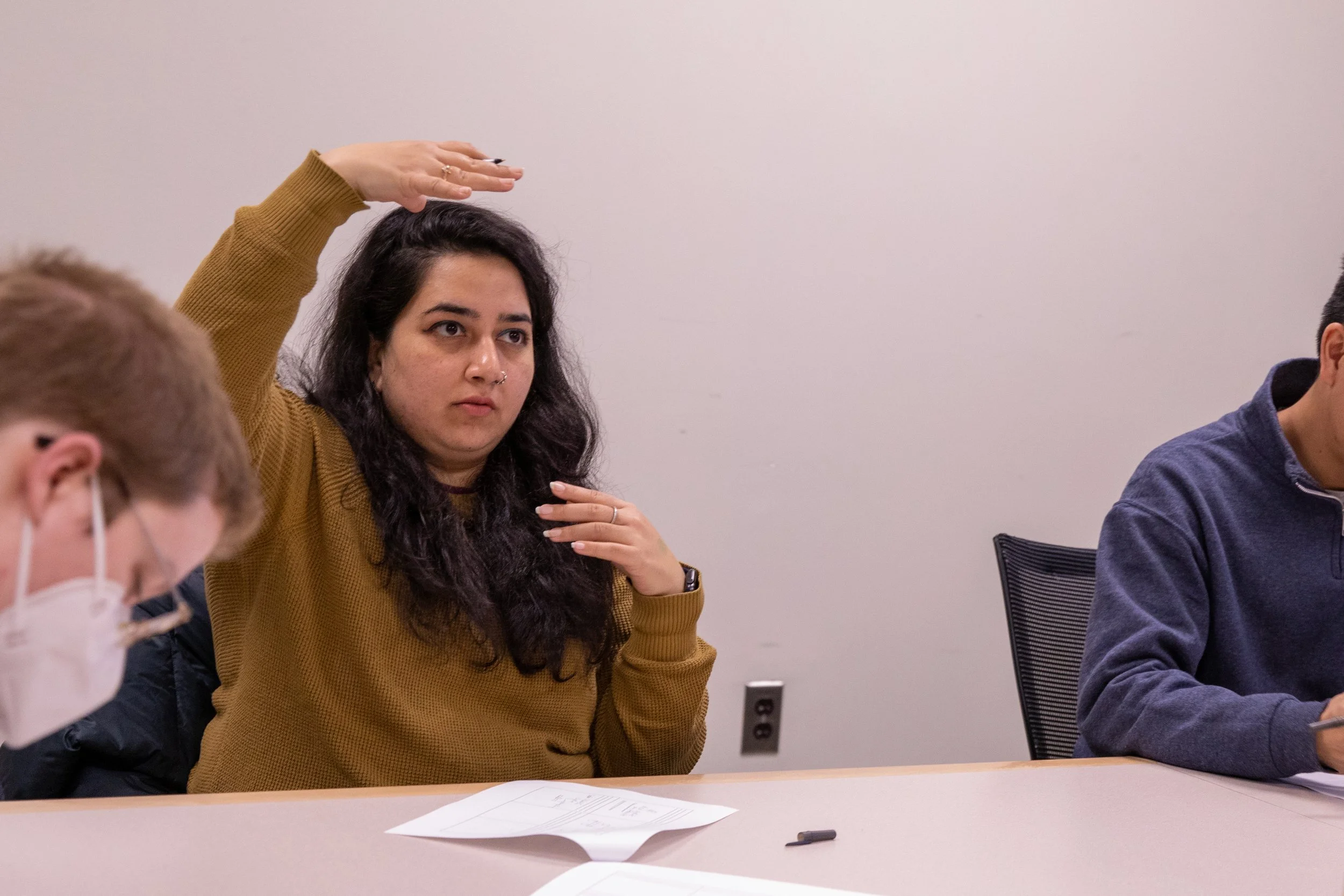
Hey, I’m Aarohi Doshi
UX Researcher & Designer | Behavioral Scientist | Systems Thinker
I help teams untangle complex workflows, understand human behavior, and design intuitive products and processes that make healthcare, research, and mission-driven systems easier to navigate.
Designing better experiences at the intersection of psychology, behavior, and systems.
Recent projects
-
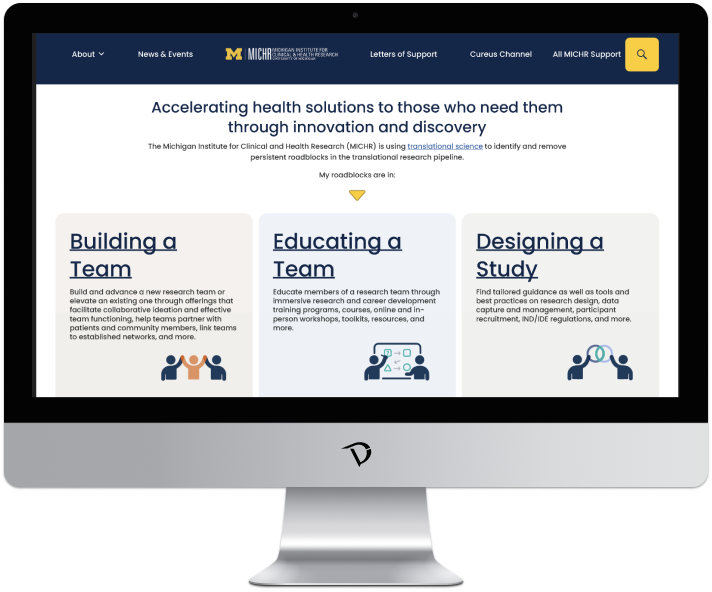
MICHR | Website Redesign | UX | Health Research
Led an end-to-end, data-informed redesign of MICHR’s website by analyzing user behavior, mapping navigational patterns, restructuring content, and validating improvements to help users find essential information within 2–3 clicks.
-
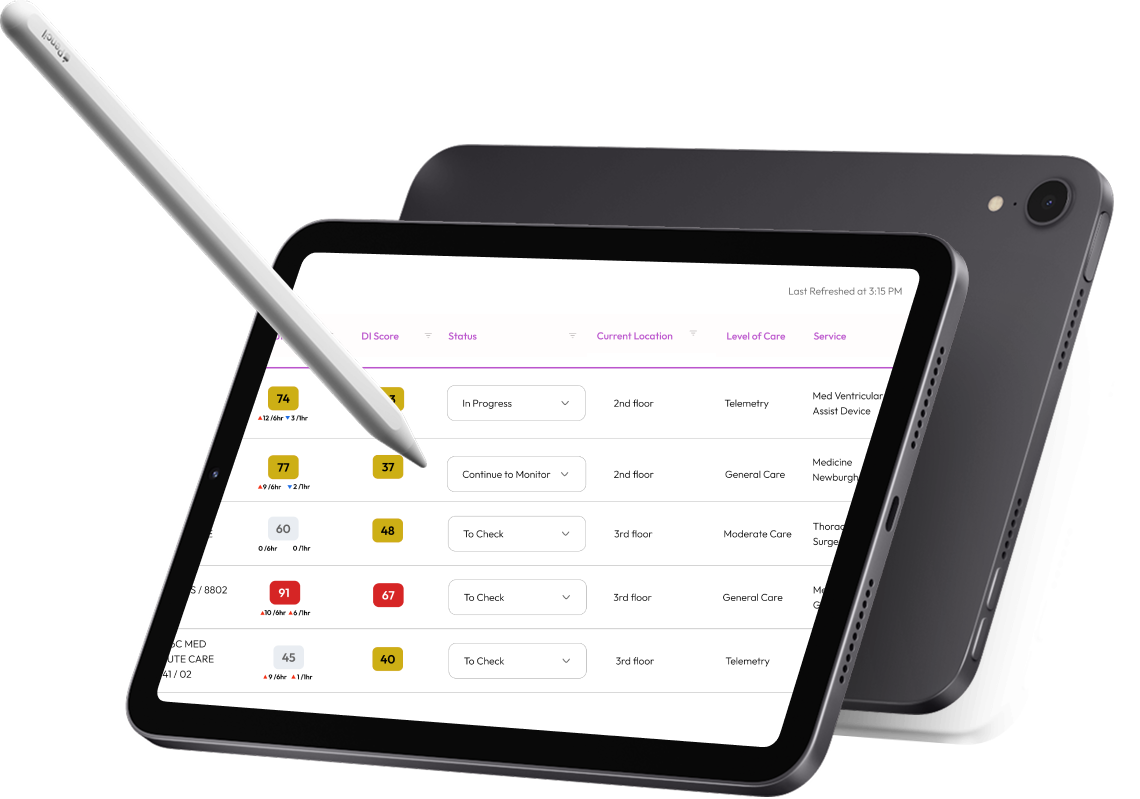
Michigan Medicine | Interface Design for Clinical Tool | Usability Testing | Healthcare
Designed and refined a clinician-facing predictive deterioration scale interface within Epic MiChart by mapping complex clinical workflows, conducting usability testing, facilitating stakeholder workshops, and translating multidisciplinary requirements into a clear, actionable experience.
-
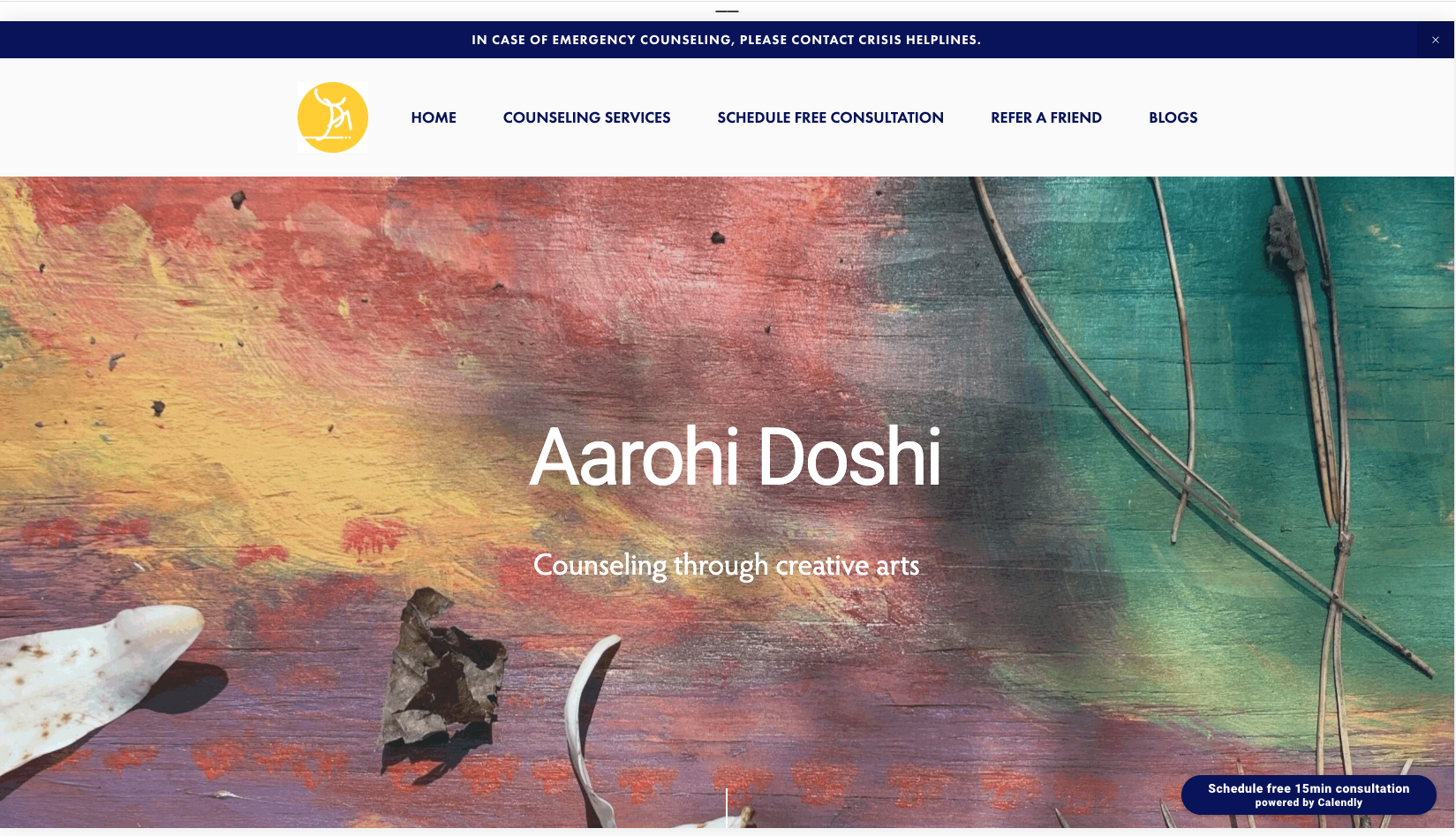
Aarohi Doshi — Counseling through Creative Arts | Venture & Service Design | Mental Health
A service and venture design initiative integrating creative arts and talk therapy to reduce barriers to mental health care. Designed low-commitment entry points, trust-led growth strategies, and sustainable service operations through user validation, iterative packaging, and relationship-driven engagement across local and international contexts.
-

U-M | Participatory research | Clean energy infrastructure
A user centered analysis of stakeholder engagement across CCUS, hydrogen, and nuclear fission-fusion technologies. Conducted discovery research and affinity mapping to identify gaps in trust, collaboration, and decision-making and to inform future engagement pedagogy and strategy in clean energy transitions.
Curious about my journey and what drives me?
My path into UX didn’t start with wireframes, it started with people. As the founder of a mental health venture in India, I saw firsthand how stigma, poor design, and fragmented systems can stand between someone and the care they need. And I realized:
Design isn’t just about technology. It’s about trust, dignity, and building systems that serve people at their most vulnerable.